
Vat Dyes
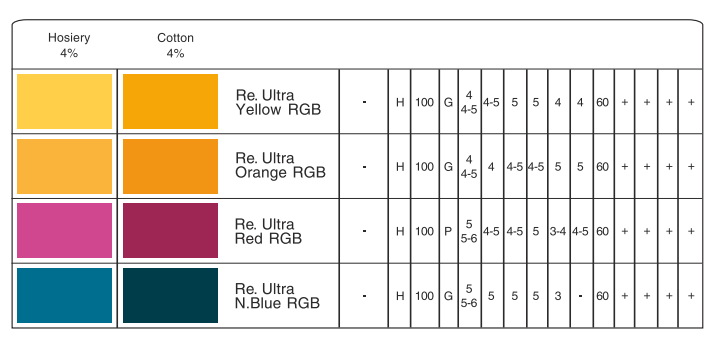
Vat dye feature
Vat dyes are a class of synthetic dyes extensively used in the textile industry for dyeing cellulosic fibers like cotton, as well as natural and synthetic fibers like rayon and polyester. These dyes are named "vat" because historically, they were prepared in large vats due to their complex chemical nature. Chemically, vat dyes are characterized by their insolubility in water but solubility in reducing agents. They typically consist of complex organic molecules containing aromatic rings and multiple functional groups. The insoluble form of vat dyes is converted into a soluble form (leuco form) by reducing agents such as sodium dithionite or sodium hydrosulfite. This reduction process allows the dye to penetrate the fiber, where it re-oxidizes and forms insoluble colored compounds, thus imparting permanent color to the fabric.
Vat dyes are renowned for their excellent color fastness properties, particularly to washing, light, and abrasion. They are widely used in applications requiring high durability and color retention, such as denim, workwear, and outdoor fabrics. Additionally, vat dyes are valued for their ability to produce a wide range of colors, including deep and rich shades, making them versatile in textile dyeing processes. In summary, vat dyes represent a vital category in the chemical industry, providing durable and vibrant coloration for a diverse range of textiles while meeting the stringent requirements for color fastness and performance.